

Dental Services
Master Care.
We're Smile Engineers!
Hot Line Number:
023 993 936
Monday To Saturday
08:00am - 05:00pm
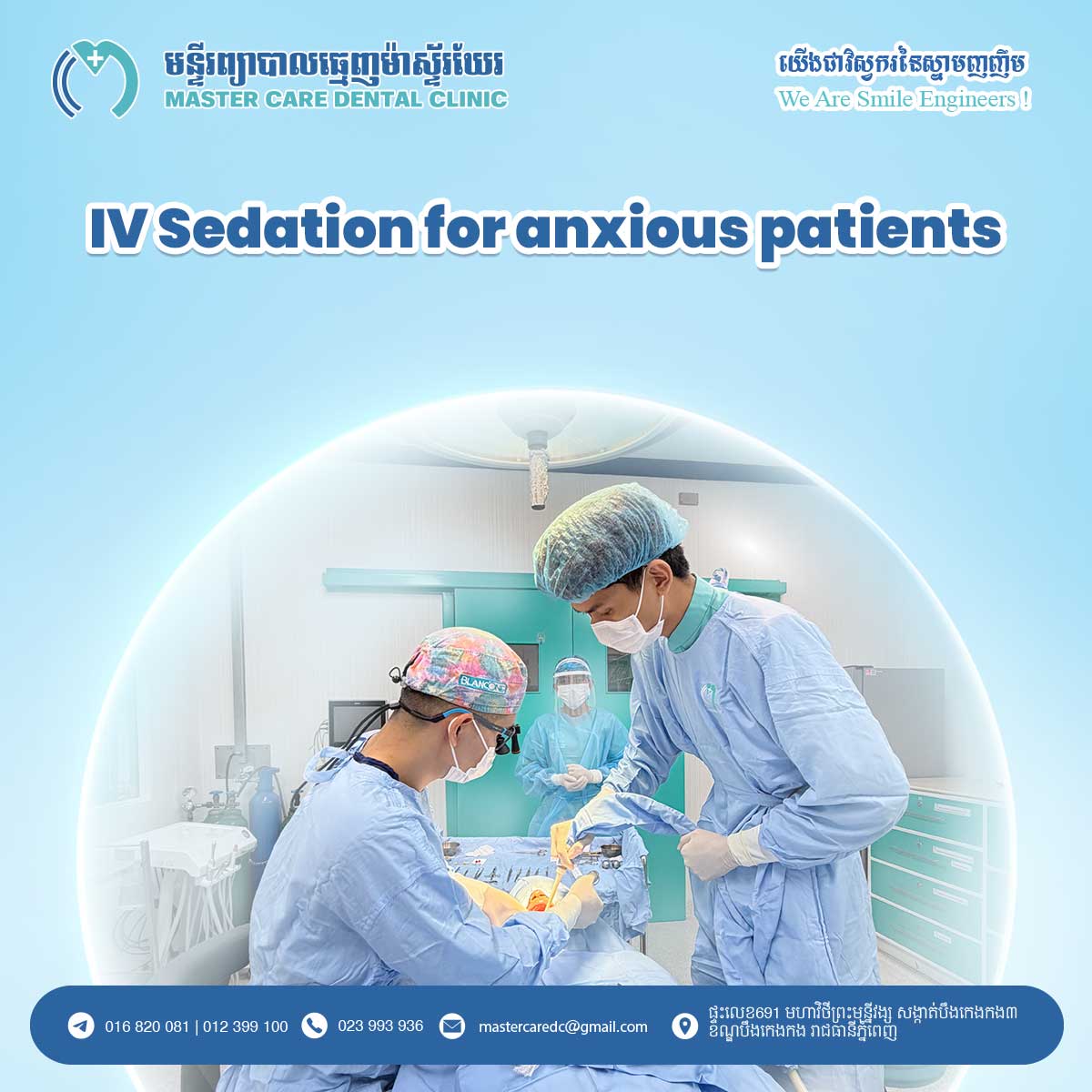
IV Sedation for Anxious or Fearful Patients
(Helping You Feel Calm and Comfortable During Dental Treatment)
For some patients, dental treatment can cause significant fear or anxiety. Intravenous (IV) sedation, sometimes referred to as conscious IV sedation, may be an option for selected patients who require additional support to feel relaxed during dental treatment.
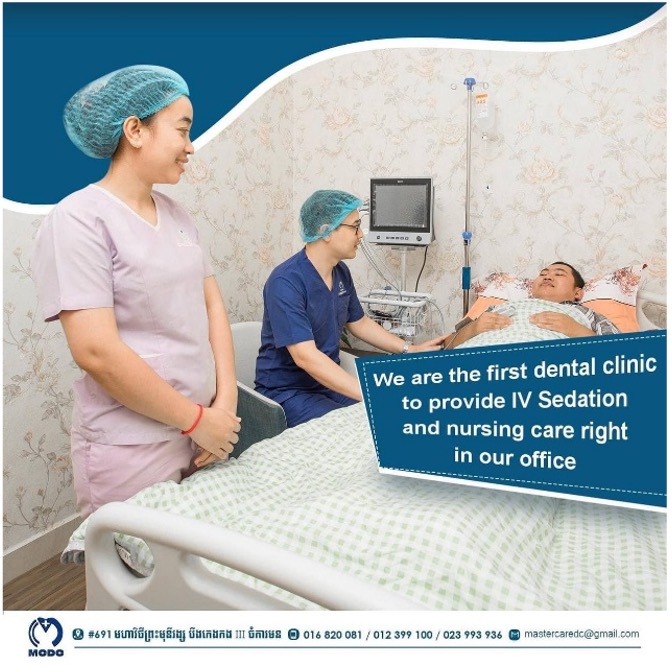
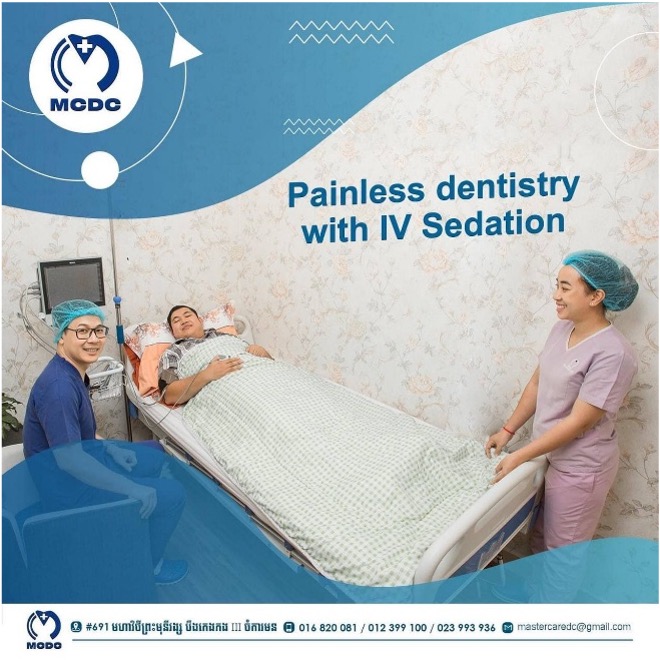
IV sedation involves administering sedative medication through a small intravenous (IV) cannula, usually placed in a vein in the hand or arm. The medication produces a relaxed and drowsy state while the patient generally remains conscious and able to respond to the dental team.
IV sedation can help reduce anxiety, increase relaxation, and improve the patient’s ability to tolerate dental treatment. It may also be useful for selected patients with a strong gag reflex or those who find it difficult to remain comfortable during dental procedures.
-
- Is IV Sedation Right for You?
IV sedation is not necessary or appropriate for every patient. It may be considered for selected patients who:
- Experience significant dental anxiety or fear
- Have difficulty tolerating dental treatment
- Have a strong gag reflex
- Require lengthy or complex dental procedures
- Have had difficulty cooperating during previous dental treatment
- May benefit from a more relaxed treatment experience
The decision to use IV sedation is made on an individual basis following a thorough clinical and medical assessment.
Your Safety Comes First
At Master Care Dental Clinic, patient safety is our priority.
Sedation is provided only after an appropriate assessment, with suitable monitoring and trained clinical personnel. The type of sedation and level of monitoring are determined according to the patient’s individual health status and treatment needs.
If you are nervous about dental treatment, you don’t have to face it alone.
Our team is here to help you receive the dental care you need in a calm, supportive, and comfortable environment.
Talk to Our Dental Team About IV Sedation
Have questions about dental sedation? Contact Master Care Dental Clinic to arrange a consultation and find out whether IV sedation may be appropriate for you.
- What Are the Benefits of IV Sedation?
Depending on the individual patient and treatment needs, IV sedation may offer several benefits:
- Helps reduce dental anxiety and fear
- Promotes relaxation during treatment
- Allows the patient to remain responsive to the dental team
- May make lengthy or complex dental procedures more manageable
- May be helpful for patients with a strong gag reflex
- Some patients have little or no memory of parts of the procedure
- In many cases, dental treatment can be completed without hospital admission
IV sedation is not the same as general anesthesia. The patient is not intentionally placed into a state of unconsciousness and can generally respond to verbal instructions.
- What to Expect During IV Sedation
- Pre-Sedation Assessment
Before treatment, the dental and sedation team will review your medical history, medications, allergies, previous experiences with anesthesia or sedation, and dental treatment needs. Your vital signs and overall fitness for sedation will be assessed. The team will also explain the sedation procedure, preparation requirements, potential benefits, and possible risks.
- Monitoring
During sedation, appropriate monitoring is used to continuously assess the patient’s condition. Depending on the clinical circumstances, monitoring may include:
- Blood pressure
- Pulse rate and heart rate
- Oxygen saturation
- Respiratory status
- Level of consciousness
- Other monitoring, including ECG, when clinically indicated
- Administration of IV Sedation
A small IV cannula is placed into a vein, usually in the hand or arm. Sedative medication is then administered through the IV line and carefully adjusted according to the patient’s response. The medication usually takes effect within a short period, helping the patient become relaxed and drowsy while generally remaining responsive.
- Dental Treatment
Once an appropriate level of sedation has been achieved, the dentist can proceed with the planned dental treatment.
- Recovery & Going Home
After treatment, the patient remains under observation until they have recovered sufficiently from the effects of sedation.


