What Exactly IS

General Anesthesia (GA) for Dental Treatment

(Safe, Comprehensive Dental Care When General Anesthesia Is Needed)

For some patients, especially young children or patients with significant anxiety, limited cooperation, special healthcare needs, or extensive dental treatment requirements, it may not be possible to complete dental treatment safely and effectively while the patient is awake.

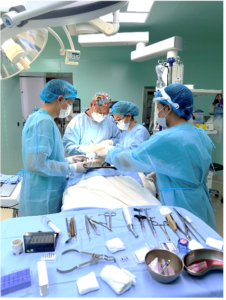
General anesthesia (GA) is a carefully planned approach in which the patient is placed into a controlled state of unconsciousness so that dental treatment can be carried out without the patient being aware of the procedure.

General anesthesia is different from IV sedation. With IV sedation, the patient generally remains conscious and responsive. With general anesthesia, the patient is fully unconscious and does not respond to normal verbal instructions or stimulation during the procedure.

General anesthesia may allow multiple or complex dental procedures to be completed during a single treatment session when it is clinically appropriate.

           

    1. What Are the Benefits of General Anesthesia?

    Depending on the individual patient’s condition and treatment needs, general anesthesia may offer several benefits:

    • Allows the patient to remain fully unconscious during dental treatment
    • Prevents awareness of the dental procedure
    • Allows the dental team to perform necessary treatment without the patient experiencing the procedure
    • May be appropriate for very young children who are unable to cooperate with extensive treatment
    • May be considered for patients with severe dental anxiety or phobia
    • May be useful when extensive or complex dental treatment is required
    • Can allow multiple dental procedures to be completed during one planned treatment session
    • May be appropriate for selected patients with special healthcare needs or limited ability to cooperate


    General anesthesia is not required or appropriate for every patient. The decision is made individually after a comprehensive dental and medical assessment.


    1. Who May Benefit from General Anesthesia?

    General anesthesia may be considered for selected patients who:

    • Are very young and unable to cooperate with the required dental treatment
    • Have severe dental anxiety or fear
    • Have significant difficulty cooperating with dental treatment
    • Require extensive or complex dental treatment
    • Have special healthcare needs that make conventional dental treatment difficult
    • Have previously been unable to complete necessary dental treatment using other behavior-guidance or sedation approaches
    • Require treatment that cannot be safely or effectively completed while awake


    • What to Expect During General Anesthesia
    1. Pre-General Anesthesia Assessment

    Before general anesthesia, the patient undergoes a thorough assessment.

    • Medical history
    • Current medications
    • Allergies
    • Previous experiences with anesthesia or sedation

    Previous medical or surgical conditions

    • Dental treatment needs
    • General health and fitness for anesthesia

    For children, parents or legal guardians will receive detailed instructions and will be asked to provide informed consent before treatment.

    1. Preparation for General Anesthesia

    The anesthesia team will provide clear instructions regarding:

    • When the patient should stop eating
    • When the patient should stop drinking
    • Which regular medications should or should not be taken
    • What to bring on the day of treatment
    • Arrangements required for going home after the procedure
  1. Administration of General Anesthesia

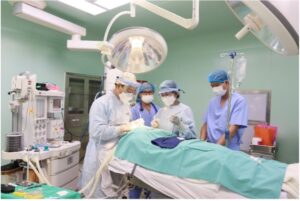
General anesthesia is administered by a qualified anesthesia professional using appropriate medications and techniques.

The patient is gradually placed into a controlled state of unconsciousness. Once the patient is fully anesthetized, appropriate airway support and monitoring are maintained throughout the procedure.

The anesthesia professional continuously monitors the patient’s condition while the dentist performs the planned dental treatment.

  1. Continuous Monitoring

Patient safety is our highest priority. During general anesthesia, the patient’s vital functions are continuously monitored. Monitoring may include:

  • Heart rate and ECG
  • Blood pressure
  • Oxygen saturation
  • Respiratory function
  • Exhaled carbon dioxide (when indicated)
  • Temperature
  • Depth of anesthesia and clinical condition
  1. Dental Treatment

Once the patient is safely anesthetized, the dentist can perform the planned dental treatment.
          

    1. Recovery After General Anesthesia

    After dental treatment is completed, the patient is transferred to a recovery area and closely observed while recovering from the effects of anesthesia.


    Patients may feel sleepy, tired, dizzy, or experience mild nausea for a period following anesthesia. These effects usually improve as the medications wear off.


    The patient will only be discharged when the clinical team considers it appropriate and provides post-anesthesia instructions.


    1. Is General Anesthesia Right for Your Child?

    The decision depends on several factors, including:

    • The child’s age
    • Level of cooperation
    • Dental anxiety and fear
    • Amount and complexity of dental treatment required
    • Medical and developmental history
    • Previous dental experiences
    • Response to other behavior-guidance or sedation techniques
    • Overall health and suitability for anesthesia


    Your Safety Comes First


    At Master Care Dental Clinic, patient safety is our highest priority.


    General anesthesia is considered only after a careful assessment of the patient’s dental and medical needs. The anesthesia plan, monitoring, airway management, and recovery care are determined according to the patient’s individual circumstances and current clinical standards.


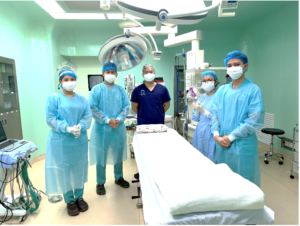
    Our team works together to provide safe, carefully planned, and compassionate dental care for patients who require treatment under general anesthesia.


    If your child has extensive dental treatment needs, severe dental anxiety, difficulty cooperating, or special healthcare needs, general anesthesia may be one of the treatment options to consider.


    Contact Master Care Dental Clinic to arrange a consultation and discuss whether general anesthesia is appropriate for your child.


    Appointment Now!